
Sophie Sparks
- 09 Oct, 2025
- 0 Comments
- 6 Mins Read
Sleep, exercise and routines helps kids handle social challenges
Navigating social challenges can be tough for kids. Whether it’s making friends, dealing with peer pressure, or facing bullying, these experiences can affect a child’s emotional well-being and development. As parents, it’s important to understand how basic health habits, like sleep, exercise, and daily routines can help your child cope with social difficulties. In this blog, we’ll explore why these factors matter and offer practical tips to support your child through social challenges.
The connection between health and social resilience
Research shows that children’s physical health strongly influences their emotional and social skills. When kids get enough sleep, stay active, and follow consistent routines, they develop better emotional control, problem-solving abilities, and resilience. These qualities help them face social challenges more confidently and with less stress.
The power of sleep in coping with social stress
Sleep is essential for brain development and emotional health. Studies show that children who don’t get enough sleep are more likely to experience anxiety, depression, and difficulty managing emotions – all factors that can make social challenges like bullying or peer conflicts worse1.
When children are well-rested, they can:
Understand social situations more accurately
Manage their reactions to stressful social situations
Use problem-solving strategies more effectively
On the other hand, lack of sleep can increase irritability and reduce a child’s ability to respond calmly to teasing or exclusion.
According to Sophie Sparks, Founder of You Can Sit With Me and a teacher with more than 20 years’ experience in classrooms around the world, “I could always tell when one of my students hasn’t had enough sleep. They’re more reactive to small conflicts, have trouble focusing during group work, and struggle to regulate their emotions. A good night’s sleep truly makes a difference in how kids handle social situations throughout the day.”
Tips for parents to support healthy sleep:
Establish a consistent bedtime routine with calming activities like reading or listening to soft music
Limit screen time an hour before bed, as blue light from devices can interfere with melatonin production (the sleep hormone)
Create a comfortable, quiet, and dark sleeping environment
Keep regular sleep schedules, even on weekends, to maintain the body’s internal clock
Exercise boosts emotional and social skills
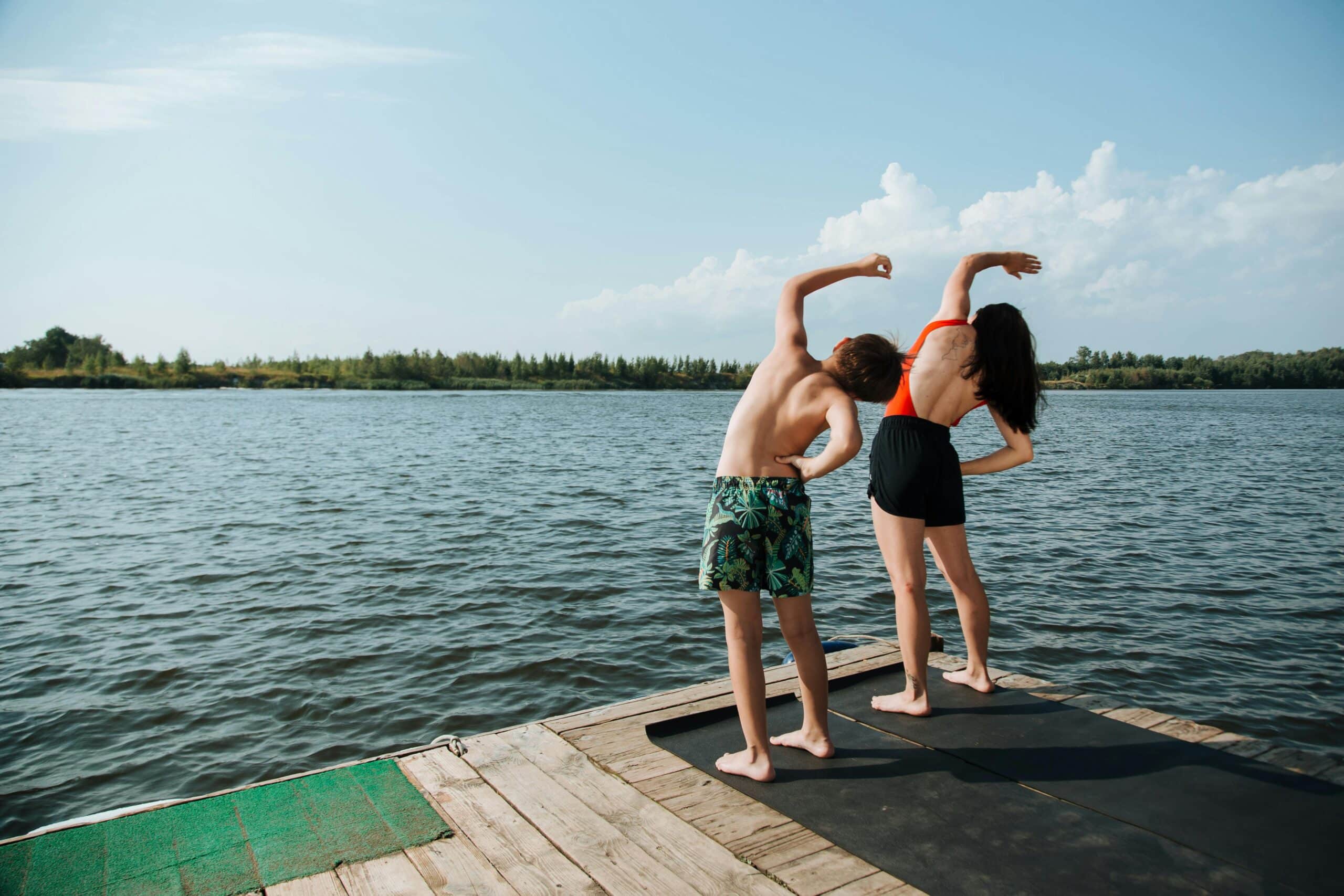
Physical activity does more than keep kids fit—it supports mental health and social skills. Exercise releases endorphins, which improve mood and reduce anxiety and depression2. Active children tend to have higher self-esteem and better peer relationships, which helps protect against social stressors like bullying.
Team sports and group activities also teach cooperation, communication, and conflict resolution skills that are crucial for social interactions.
“Physical activity is like a reset button for kids,” Sophie explains. “I’ve seen shy students come out of their shells during recess sports and anxious kids find confidence through movement. Exercise doesn’t just build strong bodies — it builds strong friendships and social skills too.”
Tips for parents to encourage exercise:
Promote at least 60 minutes of moderate to vigorous physical activity daily, as health authorities recommend.
Encourage participation in team sports or group classes to build social skills alongside physical fitness.
Make physical activity a family activity — go for walks, bike rides, or play games together.
Limit sedentary time, like excessive screen use, which can contribute to social withdrawal and loneliness.
Routines provide security and predictability
Consistent daily routines help children feel secure and in control, reducing stress and anxiety from unpredictable social situations3. When children know what to expect, they can better prepare for social interactions and manage their emotions.
Routines also give parents time to talk with children about their social experiences, providing problem-solving tools and emotional support.
Sophie notes: “When children have predictable routines at home, they come to school more emotionally grounded. They’re better prepared to handle unexpected social challenges because they have that foundation of security to fall back on.”
Tips for parents to establish helpful routines:
Set regular times for meals, homework, play, and bedtime to create a balanced day
Include “check-in” moments to talk with your child about their feelings and social experiences
Use visual schedules or planners for older children to help them organise their day and reduce anxiety
Create rituals that promote relaxation and connection, like family dinners or bedtime stories
Supporting your child through social challenges
While sleep, exercise, and routines build a foundation for resilience, active parental involvement is key to helping children manage social difficulties. Here are some ways to support your child:
Encourage open communication
Children are more likely to share their social challenges if they feel heard and supported. Create a safe space for your child to express their feelings without judgment4.
Ask open-ended questions: “How was school today? Did anything happen that made you feel upset or happy?”
Validate their emotions: “It sounds like that was really hard for you.”
Teach social problem-solving by discussing scenarios and asking:
“What do you think the other person was feeling?”
“What would you like to happen?”
“What could you try next time?”
“The parents who check in regularly with their kids — not just asking ‘How was your day?’ but really listening — those are the families who catch social problems early,” Sophie shares. “Kids need to know their parents are a safe place to talk about friendship troubles or bullying without fear of overreaction or dismissal.”
Educate about bullying and cyberbullying
Bullying is a common social challenge for children. Parents can help by educating their children on recognising bullying and cyberbullying, both in person and online, and teaching them how to respond appropriately5.
Discuss what bullying is and why it’s unacceptable
Encourage children to tell a trusted adult if they or someone they know is being bullied
Teach safe internet use and monitor online activity respectfully to prevent cyberbullying
Work with schools and counsellors to create safety plans if bullying occurs
Model healthy behaviours
Children learn by example. Show healthy coping strategies and social skills in your own behaviour.
Show empathy and kindness in your interactions
Manage your stress in constructive ways
Practice active listening and effective communication
Engage in family activities that promote connection and well-being
The role of schools and communities
Parents don’t have to do this alone. Effective bullying prevention and social skills development require collaboration with schools and communities6.
Participate in parent-teacher meetings and anti-bullying programs.
Advocate for whole-school approaches that include clear policies, staff training, and student education on social-emotional skills7.
Use resources like the Australian Government Bullying No Way website for guidance and support.
Here’s to a healthy future for kids
Sleep, exercise, and routines are powerful tools for helping children build the emotional strength and social skills needed to face challenges like bullying, peer conflicts, and social anxiety. As parents, fostering these healthy habits alongside open communication and education creates a supportive environment where children can thrive socially and emotionally.
Sophie reminds parents: “You don’t have to be perfect. Even small changes like moving bedtime 30 minutes earlier or taking a family walk twice a week can make a real difference in your child’s ability to handle social stress. Progress, not perfection, is what matters.”
“Remember, every child is unique. Be patient and responsive to your child’s individual needs, and seek professional support when needed. Together, we can help our children build resilience that lasts a lifetime,” she says.
References
YOU CAN SIT WITH ME is an inclusive, evidence-based, peer-led program reducing school refusal, social isolation, bullying, exclusion and non-inclusive behaviour.
YOU CAN SIT WITH ME provides free programs for schools, sporting clubs and community groups.
Please consider supporting education for children across Australia. Your generous, fully tax deductible donation can help make a real difference in many young lives. Thank you for your kindness.