
Sophie Sparks
- 10 Jul, 2025
- 0 Comments
- 3 Mins Read
Inclusion; what it really means and how to teach it to kids
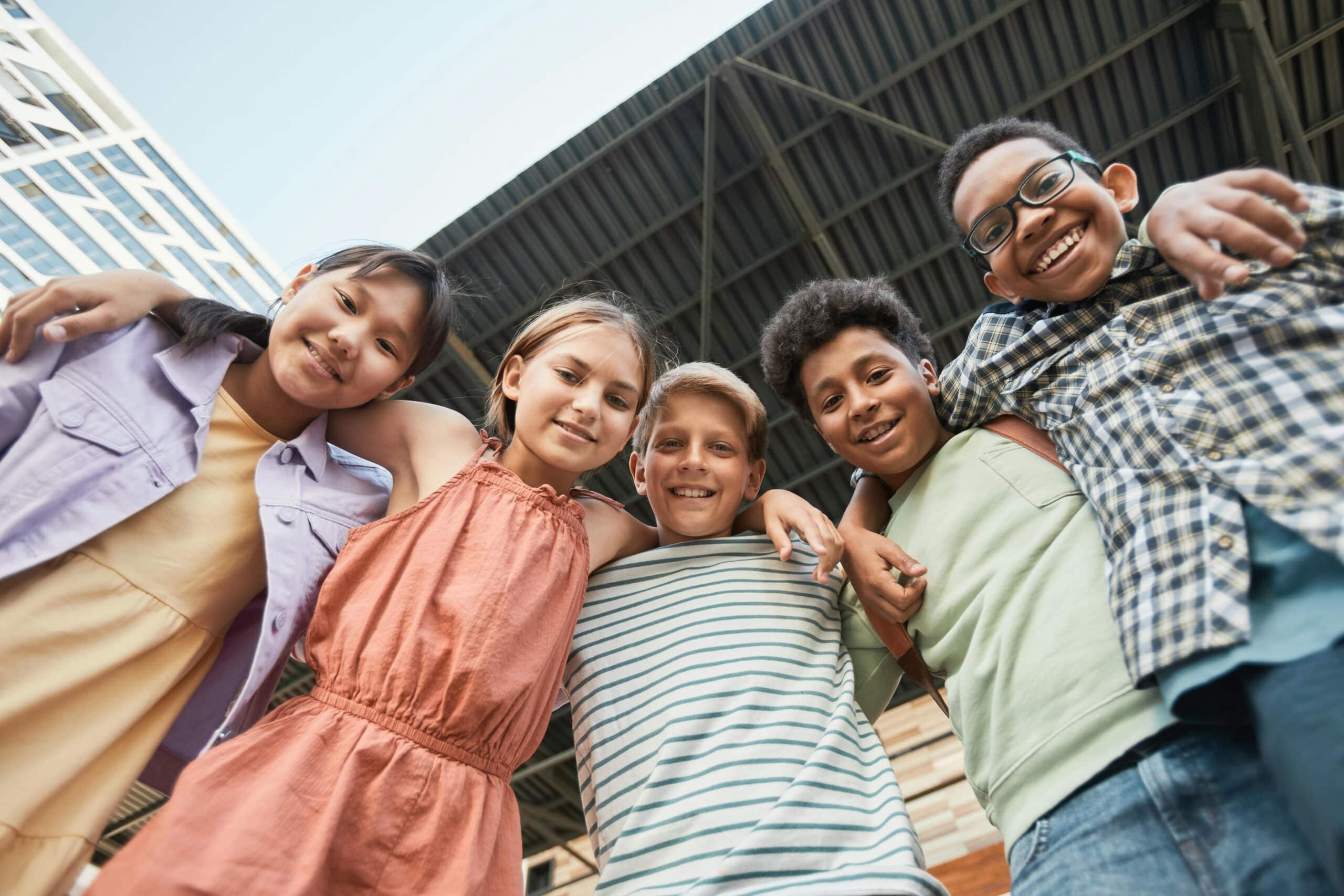
Inclusion means everyone belongs. It is a word often heard in schools and workplaces, but how do we bring it to life for our children, families and communities?
Welcoming every child
Creating an environment where no child feels left out is at the heart of every conversation. Inclusion is about making sure every child feels a genuine sense of belonging and acceptance wherever they are.
What does inclusion really mean?
Inclusion is not simply about being present in a room; it is about feeling truly welcome. No child should sit alone at lunch, be left out of a game, or laughed at for being different.
Inclusion makes space for who someone is, as well as what they need. It is not about treating everyone the same, but giving each person respect, even if support looks different for each one.
Here are some simple actions that can make a big difference
- Listen to children’s stories.
- Make sure they feel seen and valued.
- Celebrate their strengths.
Most importantly, inclusion starts at home. The words and actions we model shape the way children see and treat others.
Why inclusion matters for our communities
Inclusion is especially vital for children with disabilities, those who speak different languages at home, or those who have faced tough beginnings. Every child should see themselves reflected in their school’s stories, leadership and values. When children learn that difference is a strength, not a problem, they grow up kinder and braver.
Ways to help children feel welcome include:
- Providing quiet spaces when they need them
- Using visual or cultural supports
- Involving families rather than excluding them
Creating inclusive environments is essential for communities to grow stronger, and for schools to build futures where every child can thrive.
Practical tips: how to teach inclusion
Here are some straightforward and effective ways to teach inclusion to children at home, in school and across the community:
- Say it out loud
- Use phrases like: “We include everyone here”, “It’s okay to be different”, “We don’t leave others out.”
- Naming inclusion helps children understand and remember it.
- Model it
- Treat others with warmth and respect everywhere you go.
- Children imitate what they see more than what they are told.
- Celebrate stories and culture
- Read diverse books, watch shows, and share stories from different backgrounds and abilities.
- Show children the beauty in the world’s diversity.
- Address unkindness early
- Gently explore exclusion: ask why your child says someone is “weird” or different.
- Shift their thinking: “How can we help them feel included?”
- Practise repair
- If a child leaves someone out, support them to make it right—saying sorry, including the child next time, or making a kind gesture.
- Keep the conversation going
- Don’t wait for special days to talk about difference and inclusion; make it part of everyday family and school life.
Inclusion is not about being perfect; it is about trying, learning and opening space for everyone. When we teach inclusion, we help children lead with kindness, stand up for others, and make sure no one sits alone. As Sophie says: Kindness is strength. Everyone belongs. There’s always room at the table.
Whether your child is four or fourteen, keep encouraging them to practise empathy, celebrate diversity and grow as part of a caring community.
Thank you for reading. Another focus will be on supporting children who feel anxious at school, including spotting the signs and responding with compassion. In the meantime, remember: be kind to your little ones, and be kind to yourself. We are all learning, and there is always room for one more.
YOU CAN SIT WITH ME is an inclusive, evidence-based, peer-led program reducing school refusal, social isolation, bullying, exclusion and non inclusive behaviour.
YOU CAN SIT WITH ME provides free programs for schools, sporting clubs and community groups.
Please consider supporting education for children across Australia. Your generous, fully tax deductible donation can help make a real difference in many young lives. Thank you for your kindness.