
Sophie Sparks
- 08 Oct, 2025
- 0 Comments
- 6 Mins Read
Social isolation and bullying: how adults can help
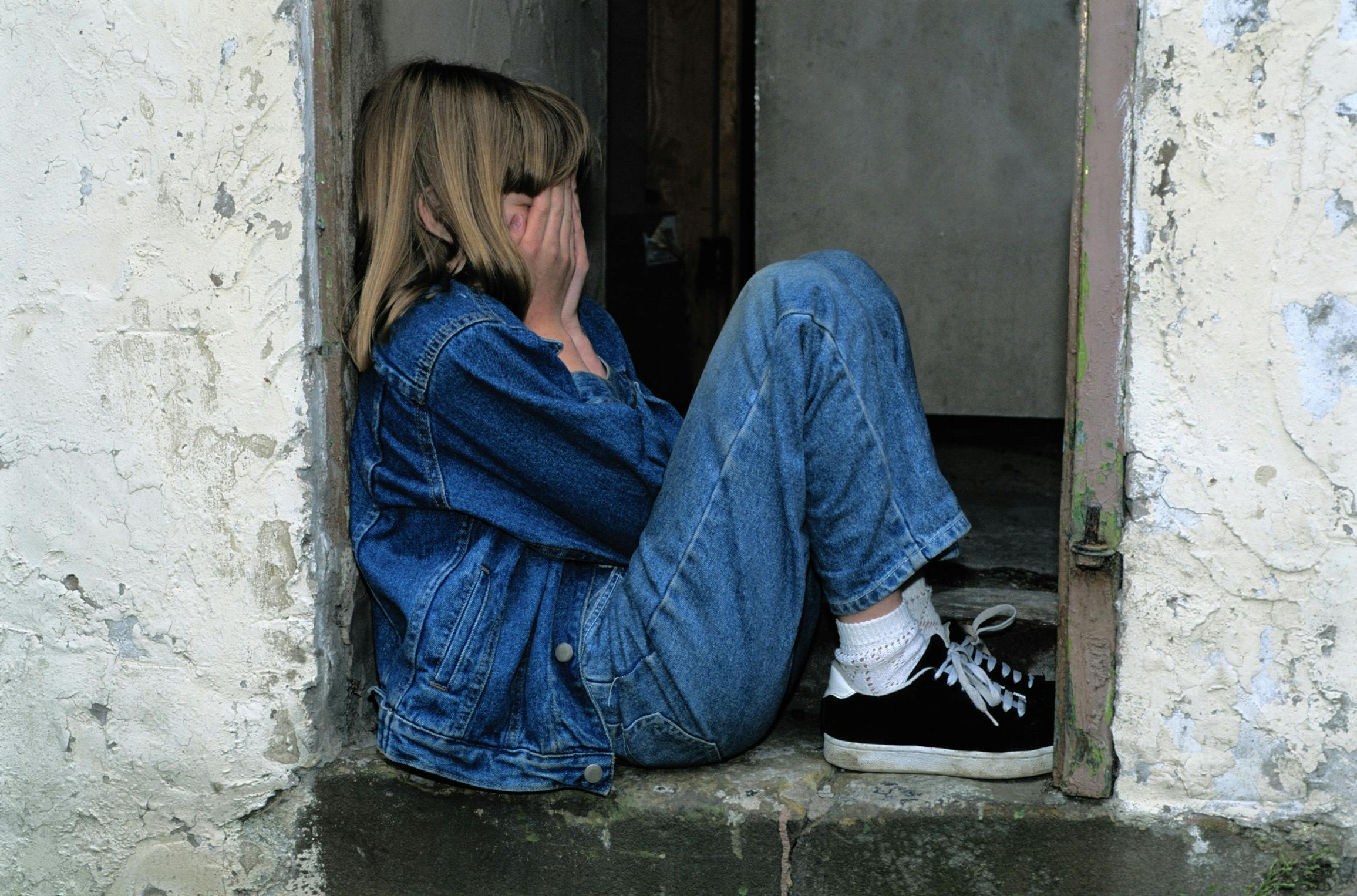
Bullying is a major problem in many schools. It doesn’t just hurt in the moment, it can cause long-term mental health issues. One common result of bullying is that children become isolated and alone. This isolation can then make the bullying worse. Parents, teachers, and caregivers need to understand this connection so they can help create safe schools where all children feel included.
What is social isolation and how does it relate to bullying?
Social isolation means feeling left out or disconnected from other kids. For children, this looks like being excluded from games, ignored in class, or pushed out of friend groups. Studies show that bullying often makes victims feel isolated. This isolation then makes them feel even l,onelier and more upset1.
“When I see a child sitting alone at lunch or standing by themselves at recess, my heart breaks,” says Sophie Sparks, Founder of You Can Sit With Me and a teacher with over 20 years’ experience around the world, “Social isolation isn’t always obvious. Sometimes it’s the quiet kid who seems fine but is actually drowning in loneliness. That’s why I started You Can Sit With Me—to make sure every child knows they have a place where they belong and people who care about them.”
Bullying isn’t just hitting or name-calling. It also includes things like spreading rumours, leaving people out, or manipulating them. These types of bullying cause social isolation by cutting victims off from their friends and support systems2. The victim feels like an outsider. This creates a harmful cycle: being alone makes them an easier target, which leads to more bullying.
The consequences of social isolation
Social isolation seriously harms children who are bullied. Research shows that isolated children often struggle with anxiety, depression, and trauma symptoms. Being left out can also hurt their grades because they don’t feel like they belong at school or want to participate3.
The effects of being excluded and lonely don’t just go away. They can last into adulthood, affecting friendships and emotional health for years4. These long-term effects show why it’s important to help children early.
Sophie reflects: “I’ve had former students reach out to me years later, and some still carry the pain of being isolated and bullied in school. They tell me how it affected their ability to trust people, make friends, and feel confident in social situations. It’s a reminder that what happens in childhood doesn’t just stay in childhood—it shapes who we become as adults. That’s why early intervention is so critical,” she says.
What can parents do?
Parents can help stop the isolation that comes with bullying. Here’s what you can do:
Maintain open communication: Ask your child about their day and how they feel. Listening and being supportive helps them feel valued and less alone.
Recognise signs of isolation: Watch for signs like not wanting to go to school, avoiding family time, or sudden mood changes. These may mean your child is being isolated or bullied.
Promote social skills: Teach your child skills like understanding others’ feelings, standing up for themselves, and solving problems. These skills help them build better friendships.
Engage with the school: Work closely with teachers and school counsellors. Stay informed about your child’s social life at school and ask for help if needed.
Encourage extracurricular activities: Joining clubs, sports teams, or community groups gives children other ways to make friends and feel good about themselves.
“Parents often ask me what they can do when their child is being left out or bullied,” Sophie shares. “My first piece of advice is always to keep the lines of communication open. Don’t just ask ‘How was school?’—ask specific questions like ‘Who did you sit with at lunch?’ or ‘Did anything happen today that made you feel uncomfortable?’ These detailed questions help children open up about their social experiences. And please, don’t dismiss their feelings if they do share something difficult. What might seem small to us can feel enormous to a child.”
What can teachers do?
Teachers see bullying and isolation firsthand and can make a big difference by creating a welcoming classroom.
Create a positive classroom environment: Set clear anti-bullying rules and encourage kindness and respect. A supportive classroom makes it harder for children to be left out5.
Implement anti-bullying programmes: Research shows that education programs can help reduce isolation and loneliness in students, though the improvements may be small6. Programs that teach social skills, emotional learning, and peer support work best.
Identify and support isolated students: Watch for students who seem left out or lonely. Help them by including them in group activities and pairing them with kind classmates.
Encourage peer mentorship: Mentorship programs can help lonely children build trusting relationships and feel more connected to school7 .
Collaborate with parents and specialists: Talk to parents about what you notice. When needed, bring in school psychologists or counsellors for extra help.
Sophie explains her classroom approach: “In my classroom, I was very intentional about creating opportunities for connection. I use strategic seating arrangements, assign group projects that require collaboration, and celebrate acts of kindness publicly. I also make it a point to check in privately with students who seem withdrawn or isolated. Sometimes all it takes is one caring adult noticing and reaching out to change a child’s entire school experience. I tell my students regularly that in this classroom, everyone belongs, and everyone matters—that’s the foundation of You Can Sit With Me.”
Moving forward – the need for comprehensive approaches
Anti-bullying programs show promise in reducing isolation and loneliness, but we need more research to understand what works best. The most effective approach involves the whole school community — students, staff, and families — working together.
When parents and teachers team up, they can spot at-risk children, help them feel included, and break the cycle of bullying and isolation. Together, we can make schools where every child feels safe, valued, and connected.
“Real change happens when we all work together,” Sophie emphasises. “Parents, teachers, administrators, and students all have a role to play in ending bullying and isolation. It’s not enough for teachers to address it in the classroom if parents aren’t reinforcing those same values at home, or if school policies don’t support intervention. We need a united front—a whole community committed to ensuring that every single child feels seen, heard, and valued. That’s when we truly create schools where kindness thrives and isolation ends. It starts with each of us choosing to be that person who says, ‘You can sit with me.'”
References
[1 & 4] Page 2
[2, 3 & 5] Page 14
[6] Page 13
[7] Page 6
YOU CAN SIT WITH ME is an inclusive, evidence-based, peer-led program reducing school refusal, social isolation, bullying, exclusion and non-inclusive behaviour.
YOU CAN SIT WITH ME provides free programs for schools, sporting clubs and community groups.
Please consider supporting education for children across Australia. Your generous, fully tax deductible donation can help make a real difference in many young lives. Thank you for your kindness.