
Sophie Sparks
- 16 Sep, 2025
- 0 Comments
- 4 Mins Read
How to help young people stand up against bullying
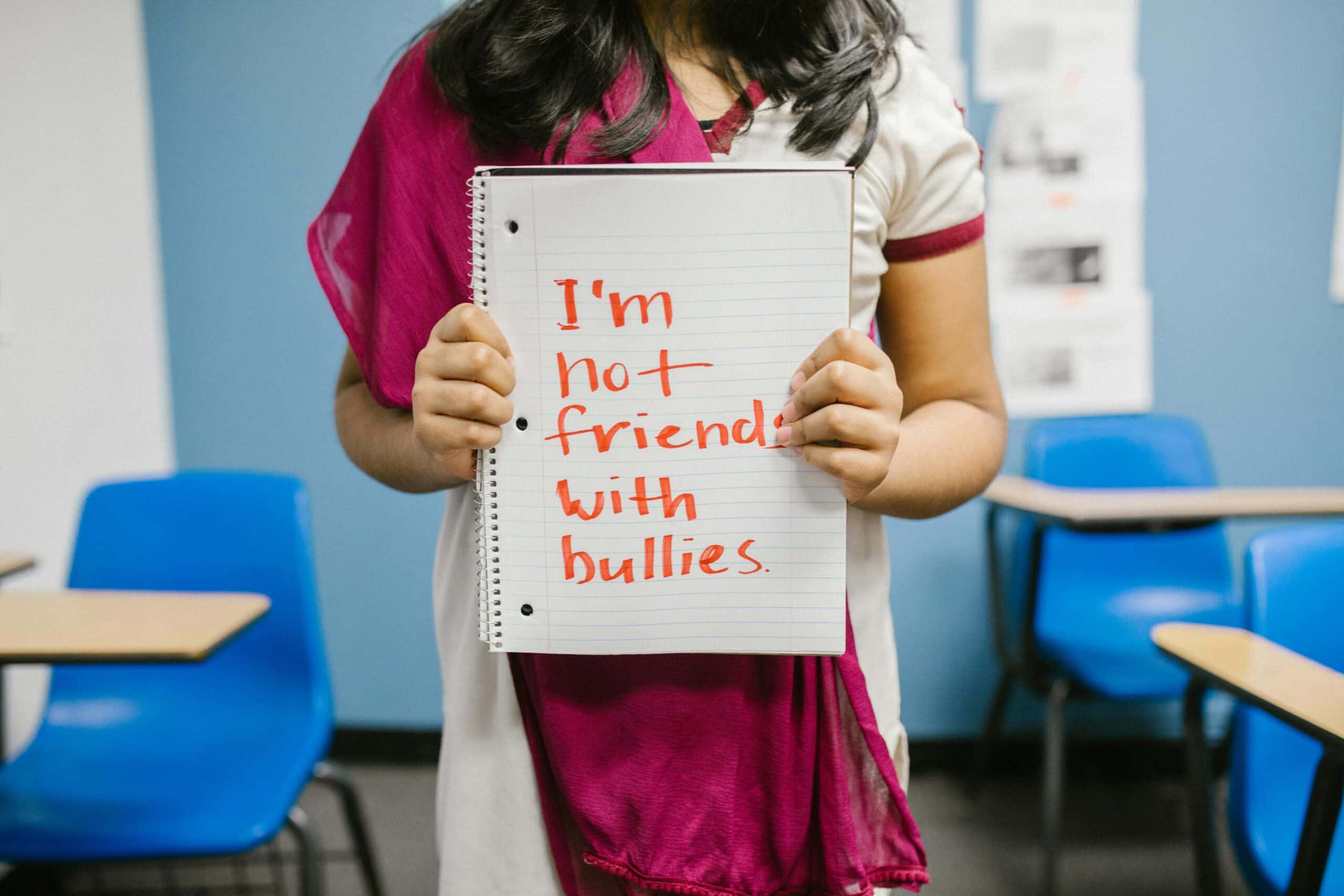
When bullying happens, there are usually other people watching, these “bystanders” can make all the difference. Research* shows that when someone steps in to help, bullying can be stopped. But too often, people stand by and do nothing, even when they want to help. The good news? We can teach young people how to become active defenders who stand up for others.
Why don’t people help someone being bullied?
Several things stop people from intervening when they see bullying:
Diffusion of responsibility: When many people are watching, each person thinks someone else will help
Uncertainty: Not knowing if the situation is serious enough or what to do
Fear of consequences: Worrying about becoming the next target
Emotional detachment: Especially online, it’s easier to disconnect from others’ pain
Social pressure: Going along with the group instead of standing out
Understanding these barriers is the first step to overcoming them.
Proven ways to encourage helping behaviour
There are several approaches to turn bystanders into defenders:
1. Teaching empathy
Programmes that help students understand what victims experience (through videos showing their perspectives or role-playing exercises) increase the likelihood that others will step in to help. When young people can “put themselves in the victim’s shoes,” they’re more motivated to act.
2. Building confidence and skills
Many people want to help but don’t know how. Teaching practical skills (like how to report cyberbullying, block harmful users, or support someone who’s been targeted) can give people the confidence to take action. Interactive programmes, including educational games, have shown promise in building these abilities.
3. Strengthening moral convictions
Anti-bullying programmes have the potential to challenge common excuses for not helping, such as “it’s not my business” or “they probably deserved it.” By promoting clear moral standards against bullying and emphasising personal responsibility, we can reduce apathy and harmful rationalisations.
4. Increasing awareness
Sometimes people don’t recognise bullying when they see it or aren’t sure when to intervene. Education that helps students identify different forms of bullying and understand when action is needed can overcome the paralysis that comes from uncertainty.
5. Creating positive peer culture
Social influence is powerful amongst young people. When schools and communities create environments where standing up for others is valued and celebrated, more people are likely to act. Seeing peers defend victims encourages others to do the same.
6. Getting adults involved
Support from families and clear school policies can make a significant difference. When parents discuss bullying at home and schools have well-communicated anti-bullying policies, young people are more likely to intervene and seek help when needed.
7. Recognising individual differences
Factors like gender, age, and cultural background can influence how people respond to bullying situations. Effective programmes take these differences into account to better connect with diverse audiences.
Why some people help and others don’t
Researchers have studied what makes people step in to help others. They’ve found two key insights:
The helping process: When something bad happens, people go through five mental steps before they help: first, they notice something’s wrong; then they decide it’s actually a problem; next, they feel it’s their job to do something; after that, they figure out what to do; and finally, they take action. People can get stuck at any of these steps, which is why sometimes good people don’t help even when they want to.
What shapes our choices: Our willingness to help depends on three things working together – what we believe is right, how we’ve seen others behave, and the environment around us. When people feel confident they can make a difference, care about others’ feelings, and see helping as the right thing to do, they’re more likely to act. This works best when we’re surrounded by others who model helpful behaviour and create a culture where helping is normal and expected.
Bystander intervention works
Bystanders aren’t just witnesses to bullying (they have the power to stop it). By understanding what prevents people from helping and using research-proven strategies, we can transform passive observers into active defenders.
This requires effort from everyone: schools need comprehensive programmes, families should discuss these issues at home, and communities must create cultures that reject bullying and celebrate kindness. When we empower young people with empathy, skills, and support, we create safer, more inclusive environments for everyone.
The research is clear: bystander intervention works. As we continue to learn more about what motivates people to help others, we can develop even better approaches to harness this power in schools, online spaces, and communities everywhere.
Reference:
*Wright, M. (Ed.). (2024). The psychology of cyberbullying (First edition.). Nova Science Publishers, Inc.
YOU CAN SIT WITH ME is an inclusive, evidence-based, peer-led program reducing school refusal, social isolation, bullying, exclusion and non-inclusive behaviour.
YOU CAN SIT WITH ME provides free programs for schools, sporting clubs and community groups.
Please consider supporting education for children across Australia. Your generous, fully tax deductible donation can help make a real difference in many young lives. Thank you for your kindness.